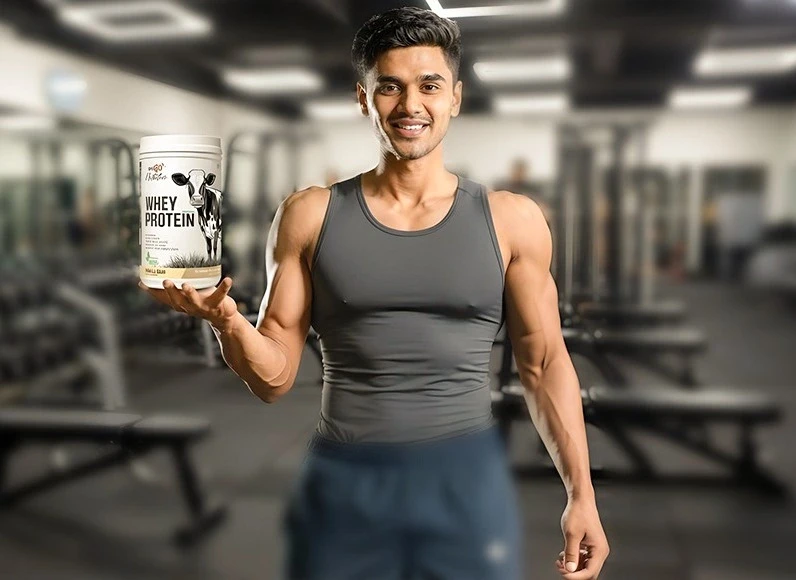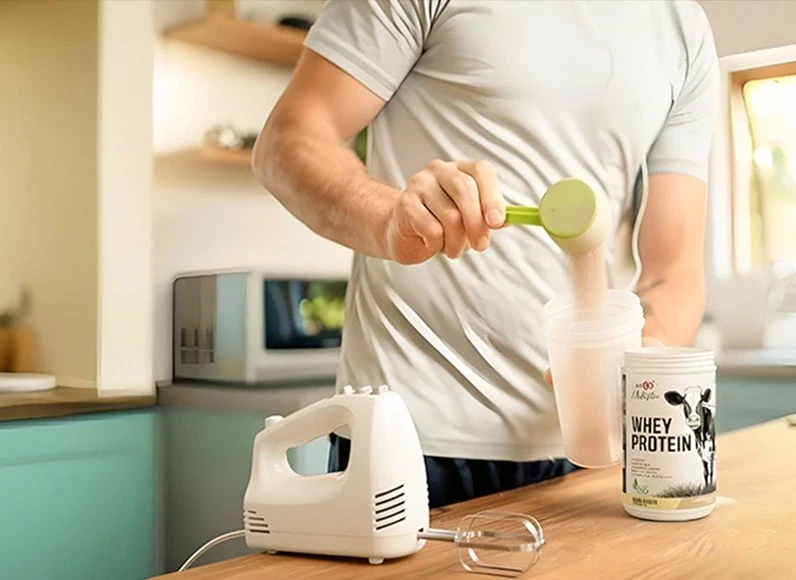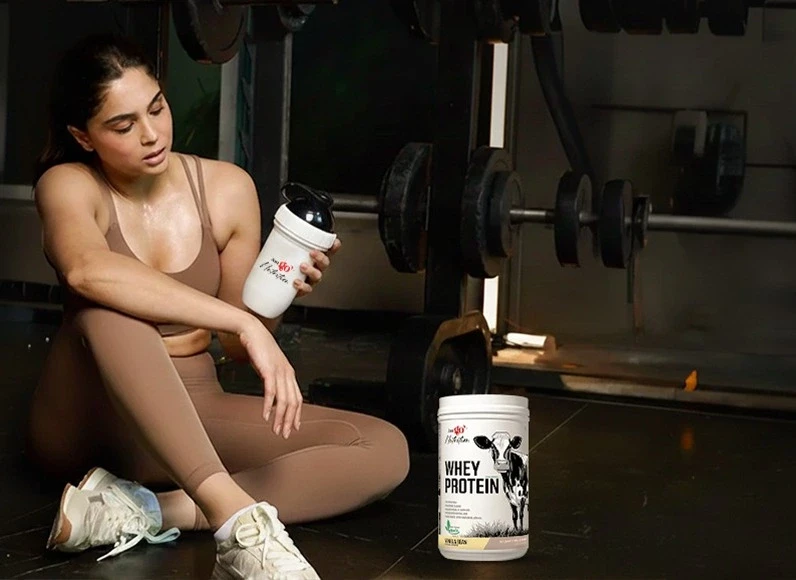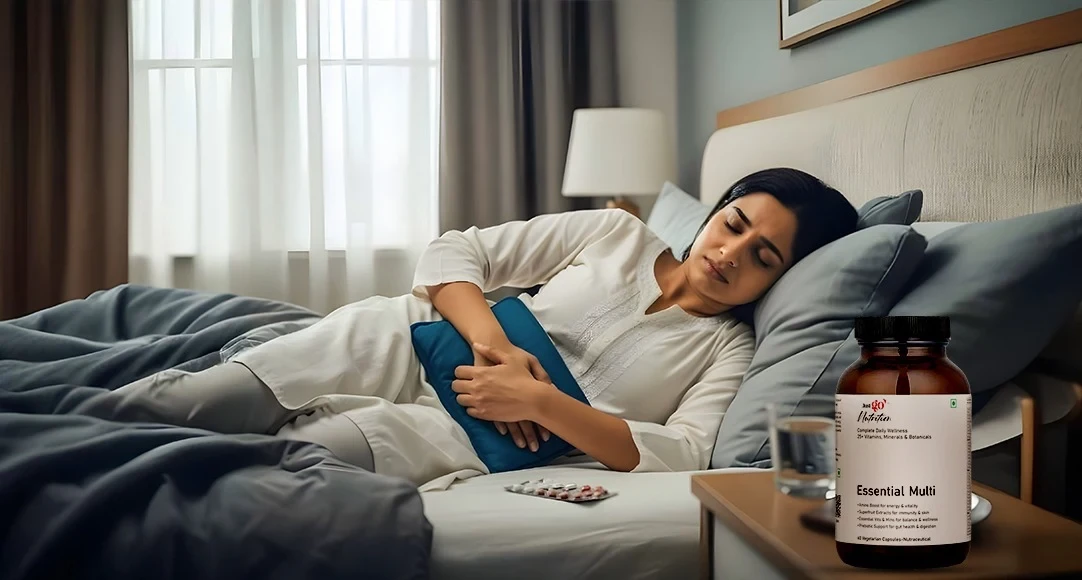

Winter can make period symptoms feel more intense. Cold weather, shorter days, and seasonal dietary changes can worsen cramps, fatigue, and mood swings. For women seeking comfort and better wellness during their menstrual cycle, a mix of nutrition, supplements, and lifestyle adjustments can make a significant difference. Including nutrient-dense foods and options like Natural Whey Protein can also help support energy levels in colder months.
Several factors contribute to heavier or more uncomfortable symptoms:
Incorporate the following immune-supporting and anti-inflammatory foods:
Comparison:
|
Nutrient |
Effect |
Winter Food Sources |
|
Magnesium |
Relieves cramps |
Spinach, pumpkin seeds |
|
Iron |
Boosts energy |
Lentils, red meat |
|
Omega-3 |
Reduces inflammation |
Salmon, flaxseeds |
|
Vitamin D |
Supports hormones |
Supplements, mushrooms, fortified milk |
|
Meal |
Foods to Include |
|
Breakfast |
Oatmeal with walnuts & berries, warm herbal tea |
|
Mid-Morning |
Orange or kiwi, handful of almonds |
|
Lunch |
Quinoa salad with spinach, chickpeas, olive oil dressing |
|
Snack |
Yogurt with flaxseeds or carrot sticks with hummus |
|
Dinner |
Grilled salmon or chicken, steamed vegetables, sweet potato |
|
Before Bed |
Warm turmeric milk or chamomile tea |
Certain supplements can help fill nutritional gaps during the winter:
Tip: Consult a healthcare professional before starting supplements, particularly if you have underlying health conditions.
Q1: Does winter worsen period cramps?
Cold temperatures can increase muscle stiffness and worsen cramps, but proper nutrition and warmth can help.
Q2: Which foods reduce period cramps in winter?
Leafy greens, warm soups, omega-3-rich foods, and ginger or turmeric are effective.
Q3: Do I need supplements for menstrual health in winter?
Magnesium, vitamin D, iron, omega-3, and B vitamins can help, especially with dietary gaps.
Q4: Can exercise help during periods in winter?
Yes, gentle indoor exercise or yoga improves circulation and reduces cramps.
Q5: How can I boost energy during winter periods?
Eat iron-rich foods, stay hydrated, and maintain a balanced diet with complex carbs.
Q6: Is it safe to use heat therapy during menstruation?
Yes, heating pads or warm baths are safe and effective for relieving cramps.
Q7: How to manage PMS mood swings in winter?
Include complex carbs, omega-3s, magnesium-rich foods, and maintain regular sleep.
Q8: Can herbal teas help during periods?
Yes, chamomile, ginger, or peppermint teas reduce cramps, bloating, and discomfort.
Winter can intensify period discomfort, but with the right nutrition, supplements, and self-care habits, managing symptoms becomes much easier. Prioritizing warm, nutrient-rich foods, gentle movement, and consistent hydration can make a noticeable difference in how you feel throughout your cycle. For women seeking clean, science-backed wellness support, Just Go Nutrition offers high-quality nutrition products, including Natural Whey Protein, to help you stay energized and balanced all winter long.